The Role of Community in Group Fitness Classes
Table Of Contents
The Impact of Leadership on Community Building
Effective leadership is essential for fostering a sense of community within group fitness classes. A strong instructor not only guides participants through workouts but also sets the tone for the overall experience. By promoting an inclusive atmosphere, leaders can make individuals feel welcome and valued, encouraging them to connect with one another. This connection often leads to greater motivation and commitment to attending classes, as participants come to view the sessions as opportunities for social engagement and personal growth.
Instructors have a unique ability to create a sense of belonging among class members through consistent communication and encouragement. When leaders take the time to learn participants’ names and celebrate their achievements, it establishes a supportive environment. This engagement often translates into long-lasting relationships that extend beyond the gym. A motivated group dynamic not only enhances the overall workout experience but also cultivates friendships that contribute to individual well-being and a positive fitness culture.
How Instructors Influence Group Cohesion
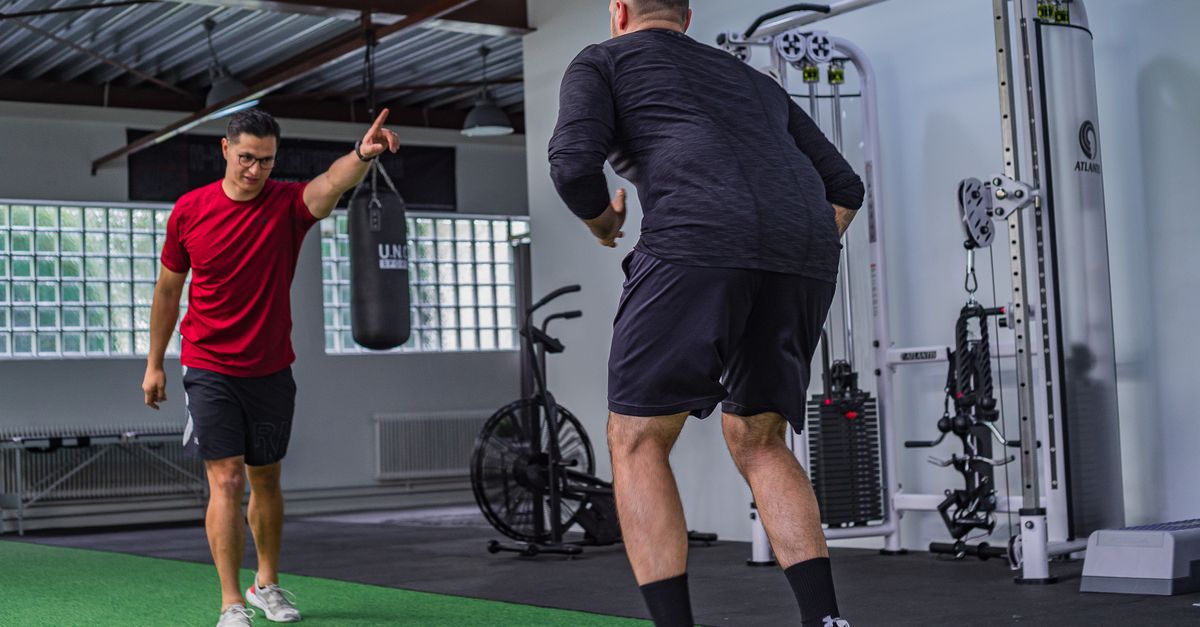
Instructors play a pivotal role in shaping the dynamics of group fitness classes, often establishing an environment that fosters connection and inclusivity. By their choice of music, engagement techniques, and encouragement during workouts, instructors can enhance the group's overall experience. Their ability to motivate participants and create a sense of belonging helps to break down barriers, making new members feel welcome and valued. The rapport they build with individuals is essential for cultivating a supportive atmosphere where participants feel comfortable sharing their personal fitness journeys.
Moreover, an instructor's enthusiasm can greatly influence participants' commitment to the class and each other. When instructors model positive relationships and camaraderie, it encourages attendees to mirror this behaviour. Group challenges and interactive sessions, when led by a skilled instructor, can strengthen bonds among participants. This creates a culture of mutual support, making individuals more likely to return and engage with their peers beyond the workout, thus reinforcing the community aspect of fitness.
Developing Lifelong Friendships Through Fitness
Engaging in group fitness classes can act as a catalyst for forming meaningful relationships. Participants often find common ground in shared goals, mutual support, and similar interests. This environment not only fosters camaraderie but also encourages individuals to connect on a personal level. As members work side by side, they engage in conversations that extend beyond the fitness routines, creating a strong social network.
Regular attendance in these classes often leads to the emergence of bonds that transcend the gym. Participants begin to celebrate milestones together and show support during challenges, reinforcing their commitment to both fitness and friendship. Over time, these connections can evolve into lifelong friendships, enriched by shared experiences and memories. The supportive atmosphere of group classes cultivates a sense of belonging that is both fulfilling and valuable.
The Social Aspect of Regular Group Attendance
Attending group fitness classes on a regular basis fosters connections between participants. With shared goals and experiences, individuals form bonds that often extend beyond workout sessions. The atmosphere within these classes encourages conversations and interactions, creating a sense of belonging. People often look forward to seeing familiar faces, adding a social dimension that keeps them engaged and motivated.
The relationships formed in these settings can significantly enhance the overall fitness experience. Participants not only support each other during challenging workouts but also celebrate individual achievements together. This camaraderie reinforces commitment to fitness goals and instills a sense of accountability. As friendships develop, members often find themselves encouraging each other to attend classes, creating a supportive community dedicated to personal and collective progress.
Incorporating Team Challenges in Classes
Incorporating team challenges in fitness classes creates an environment that encourages camaraderie among participants. By working together towards a common goal, individuals can develop a sense of belonging and mutual support. Challenges often require communication and strategy, which fosters relationships among group members as they navigate the activities together.
Friendly competition can also ignite motivation, pushing members to achieve goals they might not have considered independently. When participants celebrate milestones as a team, it reinforces their connection to one another. This collective achievement not only enhances the workout experience but also helps forge bonds that extend beyond the class, cultivating a richer fitness community.
The Benefits of Friendly Competition
Friendly competition can create a dynamic atmosphere within group fitness classes. Participants often find that a little rivalry encourages them to push their limits and strive for personal bests. It inspires individuals to set new goals while celebrating each other's achievements. This shared journey fosters a sense of belonging among members, strengthening the bonds within the group.
Many individuals report increased motivation when involved in competitive scenarios. The excitement of competing against peers can transform workouts into engaging experiences rather than mundane routines. By embracing challenges together, participants not only improve their fitness levels but also develop a supportive community that thrives on collective accomplishments. This enhancement of camaraderie further enriches the overall experience of group classes.
FAQS
What is the importance of community in group fitness classes?
Community in group fitness classes fosters a supportive environment where members can motivate each other, share experiences, and build friendships, enhancing overall enjoyment and commitment to fitness goals.
How do instructors contribute to building a sense of community?
Instructors play a crucial role by creating an inclusive atmosphere, encouraging interaction among participants, and facilitating group cohesion through team-building activities and personalised attention.
Can attending group fitness classes lead to lasting friendships?
Yes, regular attendance in group fitness classes can lead to the development of strong social bonds, as participants engage in shared experiences and support each other in their fitness journeys.
What are the social benefits of participating in group fitness classes?
Participating in group fitness classes can enhance social connections, reduce feelings of isolation, and provide a sense of belonging, which can be beneficial for mental health and overall well-being.
How do team challenges enhance the community aspect of group fitness?
Team challenges encourage friendly competition and collaboration among participants, fostering camaraderie and strengthening relationships while also promoting motivation and accountability in achieving fitness goals.
Related Links
Transform Your Fitness Journey with Group Training in GeelongSuccess Stories from Group Fitness Participants in Geelong
What to Expect in Your First Group Fitness Class
Top Group Fitness Classes Available in Geelong
The Best Times to Attend Group Fitness Classes in Geelong
Tips for Staying Motivated in Group Fitness Classes