The Power of Personal Training: Real Transformations in Geelong
Table Of Contents
The Science Behind Personal Training
Personal training integrates a wealth of scientific principles that enhance physical performance and overall health. Understanding how the body responds to exercise serves as a foundation for personal trainers when developing customised programmes. Training regimens are often structured around key components, such as resistance and cardiovascular workouts, each targeting specific physiological adaptations. This meticulous approach optimises muscle growth and fat loss by manipulating variables like intensity, volume, and frequency.
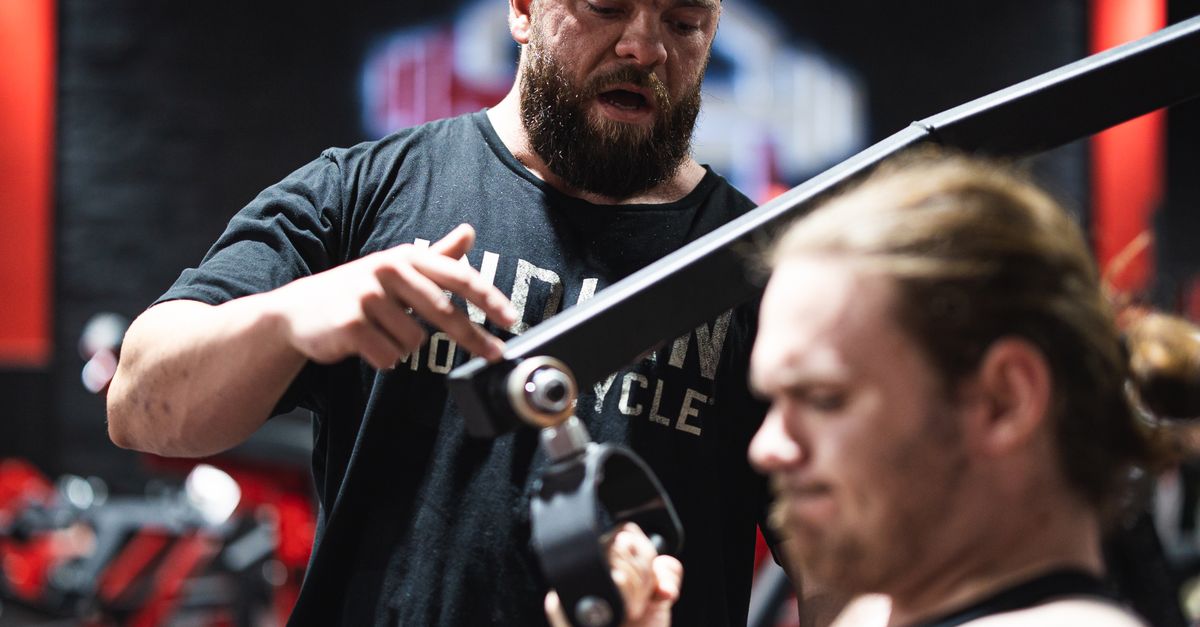
The role of a personal trainer extends beyond mere exercise instruction. They assess individual fitness levels and tailor their guidance according to the unique needs of each client. Through continuous monitoring and adjustment, trainers can address muscle imbalances and correct form, reducing the risk of injury. This personalised interaction not only fosters better results but also promotes adherence to fitness regimens, which is crucial for long-term success and transformation.
Understanding Muscle Growth and Fat Loss
Muscle growth and fat loss are critical aspects of fitness that hinge on understanding the interplay between training, nutrition, and recovery. When individuals engage in resistance training, they cause microscopic tears in their muscle fibres. The body responds by repairing these tears, leading to muscle growth, a process known as hypertrophy. This requires an adequate intake of protein and calories, alongside consistent training stimuli that challenge the muscles, promoting ongoing adaptation.
Fat loss occurs when the body is in a caloric deficit, meaning it consumes fewer calories than it expends. This forces the body to utilise stored fat for energy. Exercise, particularly strength training, can enhance this process by increasing muscle mass. A higher muscle mass elevates resting metabolic rate, allowing for more calories burned even during periods of inactivity. Adopting a balanced diet rich in nutrients while maintaining an effective exercise regimen can thus facilitate both muscle growth and fat loss.
Choosing the Right Personal Trainer
Selecting a personal trainer requires careful consideration of several factors. Experience and qualifications are crucial elements to assess. A trainer with appropriate certifications and a proven track record can offer more effective guidance tailored to individual needs. Personal trainers often specialise in various areas, such as weight loss, strength training, or rehabilitation. Understanding these specialisations helps potential clients find someone aligning with their specific fitness goals.
Another important aspect is the trainer's communication style and approach to motivation. A good trainer not only understands the physical requirements of fitness training but also fosters a supportive environment. Connection between the trainer and the client can significantly affect motivation levels and adherence to the training programme. Prospective clients should consider scheduling an initial meeting with potential trainers to gauge compatibility and to discuss their fitness aspirations openly.
Key Qualities to Look for in a Trainer
When selecting a personal trainer, key attributes play a significant role in ensuring a positive and effective fitness journey. Strong communication skills are essential, as a trainer should be able to explain exercises clearly and guide clients in a way that is easy to understand. Personal trainers must also possess a deep knowledge of exercise physiology and nutrition, allowing them to tailor programs that suit individual needs and capabilities.
Another important factor is the trainer's ability to motivate and inspire clients. A good trainer encourages perseverance during challenging workouts while celebrating achievements, no matter how small. Additionally, empathy and understanding are vital qualities, as trainers need to recognise their clients’ unique challenges and adjustments required in the training process. Balancing professionalism with a personable approach creates an environment where clients feel comfortable and supported.
The Impact of Group Personal Training
Group personal training offers a dynamic environment where individuals can experience the benefits of working alongside others who share similar fitness goals. The camaraderie among participants often leads to increased motivation, pushing individuals to perform at their best. Friendly competition can also emerge, encouraging people to challenge themselves in ways that might not occur during solo workouts.
Moreover, the variety inherent in group sessions helps to stave off monotony. Trainers often incorporate differing exercises, catering to various fitness levels and ensuring that routines remain engaging. This diversity encourages members to try new activities and discover strengths they may not have realised they possess, fostering a sense of accomplishment and community. The supportive atmosphere can be instrumental in maintaining long-term commitment to fitness goals.
Benefits of a Supportive Community
A supportive community can significantly enhance the experience of personal training. Engaging with others who share similar fitness goals can create a motivating environment where members encourage one another to stay committed. This camaraderie often leads to increased accountability, making individuals less likely to skip workouts or abandon their routines. Members can celebrate each other's achievements, fostering a sense of belonging and accomplishment.
Moreover, group training sessions often provide an atmosphere of fun and levity. Participants tend to push each other’s limits, leading to improved performance and personal breakthroughs. Sharing struggles and triumphs with a community of like-minded individuals can make the journey to fitness more enjoyable. The friendships formed in such environments can extend beyond the gym, enhancing social connections and boosting overall well-being.
FAQS
What is personal training and how does it differ from regular gym sessions?
Personal training involves one-on-one sessions with a qualified trainer who tailors workouts to your individual needs and goals, while regular gym sessions typically involve self-directed workouts without personalised guidance.
How does personal training contribute to muscle growth and fat loss?
Personal trainers use scientifically-backed methods to design effective workout programmes that optimise muscle growth and fat loss by incorporating resistance training, cardiovascular exercises, and proper nutrition strategies.
What should I consider when choosing a personal trainer in Geelong?
When selecting a personal trainer, consider their qualifications, experience, training style, and specialisations, as well as client testimonials and whether their approach aligns with your fitness goals.
What are the key qualities to look for in a personal trainer?
Look for qualities such as effective communication, motivational skills, empathy, a strong knowledge base in fitness and nutrition, and the ability to adapt workouts to suit your individual needs.
How does group personal training differ from individual sessions?
Group personal training involves working out with a small group under the guidance of a trainer, which fosters a supportive community atmosphere, enhances motivation, and can often be more cost-effective than one-on-one sessions.
Related Links
Inspiring Weight Loss Journeys: Success Stories from Geelong ClientsPersonal Growth through Fitness: Geelong Client Transformations
From Inactive to Energised: Testimonials on Transformational Fitness in Geelong
Powerful Changes: Personal Training Success in Geelong's Community
Overcoming Obstacles: How Personal Training Changed Client Lives in Geelong
Achieving Goals: Real-Life Transformations with Geelong Personal Trainers
The Journey of Transformation: Personal Trainer Experiences in Geelong